Published December 8, 2025
How to Create a Fire Safety Plan at Home

How to Create a Fire Safety Plan at Home
A house fire can happen unexpectedly and spread in minutes. While you can’t always prevent an emergency, you can prepare for one. A well-designed fire safety plan gives your household the knowledge and confidence to respond quickly and safely. Whether you live alone or in a busy family home, having a clear plan is essential.
Below is a simple, step-by-step guide to help you create an effective fire safety plan.
1. Identify All Possible Escape Routes
Walk through your home and identify at least two ways to exit each room. Your primary exit may be the front or back door, while your secondary exit could be a window or another doorway.
Tips:
- Ensure windows open easily and security bars have quick-release mechanisms.
- Keep hallways and doorways clutter-free at all times.
2. Install and Maintain Smoke Alarms
Smoke alarms give you the earliest possible warning when a fire starts.
Best practices:
- Install alarms on every level of the home, including inside bedrooms and near sleeping areas.
- Test alarms monthly.
- Replace batteries twice a year or use long-life sealed batteries.
- Replace the entire alarm every 10 years.
3. Choose a Safe Outdoor Meeting Point
After escaping, everyone needs a single, safe place to gather—far enough from danger but easy to reach.
Popular meeting points:
- A specific tree
- A neighbor’s driveway
- A streetlight or mailbox
Make sure everyone, including children, knows this location by heart.
4. Assign Roles (If You Live With Others)
A coordinated response saves precious seconds.
Examples:
- Adult 1: Guide children or vulnerable family members.
- Adult 2: Help pets get out if safe to do so.
- Teen/Older Child: Assist younger siblings and call 911 once outside.
Remember: No one should ever go back inside once outside.
5. Practice the Plan Regularly
A plan is only effective if everyone knows what to do.
How to practice:
- Hold fire drills twice a year.
- Practice using both primary and secondary escape routes.
- Try drills at different times (day and night).
- Teach children how to stay low and crawl under smoke.
6. Keep Fire Safety Tools Handy
Equip your home with essential safety gear:
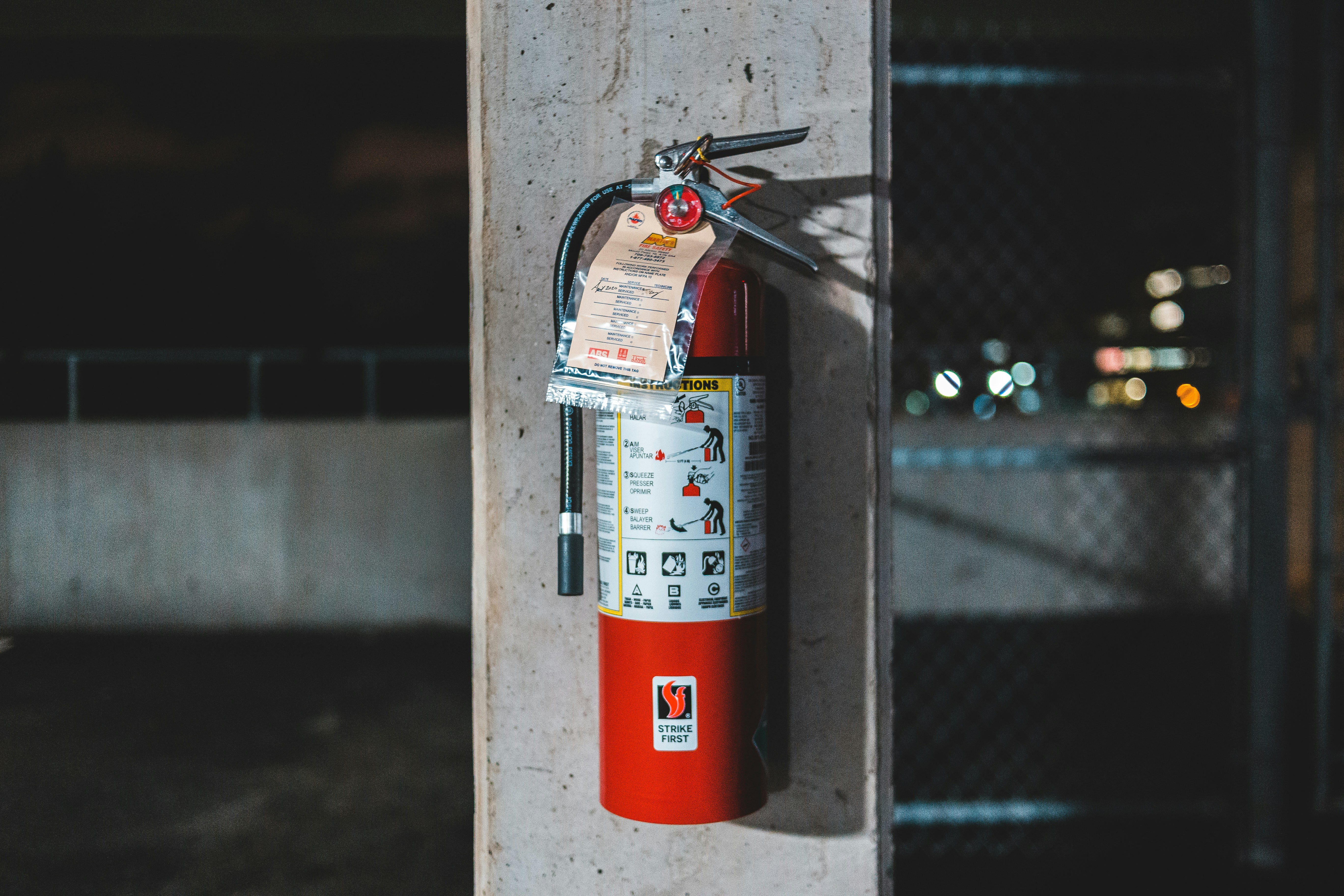
- Fire extinguishers on every level, especially the kitchen.
- Fire blankets for small stovetop fires.
- Escape ladders for multi-story homes.
Ensure everyone knows how to use these safely.
7. Address Fire Hazards Before They Become Problems
Prevention is part of your safety plan too.
Check regularly for:
- Overloaded outlets and frayed cords
- Unattended candles
- Clean dryer vents
- Space heaters too close to furniture
- Stovetop grease buildup
Being proactive reduces the chances of a fire starting in the first place.
Final Thoughts
Creating a fire safety plan takes just a little time, but it can save lives. Review it together, practice regularly, and update it as your home or family changes. Preparedness isn’t about expecting the worst—it’s about ensuring you and your loved ones can act confidently if the unexpected ever happens.